
Different Types of Mould: What Every New Zealand Property Owner Needs to Know
When people spot black patches on a bathroom ceiling or fuzzy growth behind furniture, they often refer to it simply as “mould.” In reality, mould is an umbrella term covering thousands of different fungal species, each with its own characteristics, preferred growing conditions and potential health impacts.
New Zealand’s climate creates ideal conditions for mould growth. High humidity, regular rainfall, cool winters, condensation and occasional flooding mean many homes and commercial buildings experience mould at some stage.
While some moulds are relatively harmless, others can trigger allergies, worsen asthma, damage building materials and affect indoor air quality. Understanding the different types of mould can help you recognise early warning signs and know when professional mould remediation services are needed.
In this guide, we’ll explore the most common mould species found in New Zealand properties, where they grow, what they look like and why prompt treatment matters.
Why Does Mould Grow?
Before looking at the different species, it’s helpful to understand why mould appears in the first place.
Mould spores are naturally present in the air. They become a problem when they land on a damp surface and begin to grow.
Mould typically requires:
- Moisture
- Organic material (timber, plasterboard, carpet, insulation, wallpaper or dust)
- Moderate temperatures
- Poor ventilation
- Time
Common causes include:
- Leaking roofs
- Burst pipes
- Flooding
- Poor bathroom ventilation
- Condensation
- Rising damp
- Hidden plumbing leaks
- Inadequate insulation
The key point is this: mould is almost always a moisture problem before it’s a mould problem.
Cladosporium
Cladosporium is one of the most common mould species found in New Zealand homes.
Unlike many moulds, it can grow in cooler temperatures, making it particularly common during winter.
Appearance
Cladosporium often appears as:
- Olive green
- Dark brown
- Grey-black
- Powdery or suede-like texture
Where It’s Found
It commonly grows on:
- Window frames
- Curtains
- Timber
- Painted walls
- Ceiling corners
- HVAC systems
- Fabrics
Health Effects
While not considered highly toxic, Cladosporium can cause:
- Sneezing
- Runny nose
- Eye irritation
- Asthma flare-ups
- Skin irritation
People with allergies are generally more sensitive to exposure.
Penicillium
Many people recognise Penicillium because it is the fungus responsible for producing penicillin.
However, indoors it can become a serious contamination issue.
Appearance
Penicillium often looks:
- Blue-green
- Turquoise
- White around the edges
- Velvety or fuzzy
It spreads extremely quickly once moisture is present.
Common Locations
You’ll often find Penicillium on:
- Water-damaged plasterboard
- Carpet underlay
- Wallpaper
- Insulation
- Timber framing
- Furniture
- Ceiling linings
Why It Matters
Penicillium produces enormous numbers of airborne spores.
This means even a relatively small patch can affect indoor air quality throughout an entire home.
Symptoms may include:
- Allergic reactions
- Sinus irritation
- Persistent coughing
- Wheezing
- Respiratory discomfort
Aspergillus
Aspergillus is another extremely common indoor mould.
There are hundreds of Aspergillus species, with some posing greater health risks than others.
Appearance
Colours vary significantly, including:
- Yellow
- Green
- Brown
- White
- Black
Its texture may appear powdery or fluffy.
Typical Locations
Aspergillus often grows on:
- Walls
- Ceiling cavities
- HVAC systems
- Stored food
- Damp insulation
- Carpets
- Building materials
Health Risks
For healthy people, Aspergillus often causes allergy-like symptoms.
However, for people with weakened immune systems it can occasionally lead to more serious infections.
Those most at risk include:
- Elderly people
- Cancer patients
- Organ transplant recipients
- Individuals with chronic lung disease
Stachybotrys (Black Mould)
Perhaps the most well-known mould is Stachybotrys chartarum, often referred to as “black mould.”
Although the media sometimes exaggerates its dangers, it should never be ignored.
Appearance
Stachybotrys usually appears:
- Dark green
- Very dark brown
- Black
- Slimy when wet
- Dry and powdery once established
Preferred Conditions
Unlike many moulds, Stachybotrys requires constant moisture.
It typically develops following:
- Major flooding
- Long-term roof leaks
- Plumbing failures
- Persistent water damage
Where It Grows
Common locations include:
- Behind gib board
- Ceiling cavities
- Wet insulation
- Timber framing
- Under flooring
- Wall cavities
Health Concerns
Exposure has been associated with:
- Chronic coughing
- Eye irritation
- Fatigue
- Respiratory symptoms
- Headaches
- Aggravated asthma
Although many mould species can produce mycotoxins under certain conditions, the overall health risk depends on factors such as the amount of mould present, duration of exposure and individual sensitivity. The priority should always be removing the moisture source and safely remediating the affected area.
Alternaria
Alternaria commonly appears in damp homes throughout New Zealand.
Appearance
Typically:
- Brown
- Dark green
- Black
- Velvet-like texture
Common Areas
Alternaria often develops in:
- Bathrooms
- Showers
- Window sills
- Kitchens
- Around leaking taps
- Damp walls
Health Effects
Alternaria is recognised as one of the more significant allergy-triggering moulds.
Symptoms include:
- Hay fever
- Asthma
- Sneezing
- Wheezing
- Itchy eyes
Chaetomium
Chaetomium frequently appears after significant water damage.
It is commonly found following flooding events.
Appearance
Initially:
- White
As it matures:
- Grey
- Olive
- Brown
- Black
It has a distinctive cotton-like appearance.
Typical Locations
- Water-damaged plasterboard
- Ceiling linings
- Timber
- Wallpaper
- Carpet underlay
Chaetomium often indicates prolonged moisture exposure.
Acremonium
Although less well known, Acremonium is regularly identified during professional mould inspections.
Appearance
It starts as:
- White
- Moist
Then develops into:
- Pink
- Grey
- Orange
Common Locations
It often grows around:
- Humidifiers
- Cooling coils
- Window seals
- Condensation-prone areas
Ulocladium
Ulocladium thrives in buildings that have experienced long-term water damage.
Appearance
Usually:
- Black
- Brown
- Rough texture
Common Areas
It often develops on:
- Wet timber
- Basement walls
- Ceiling cavities
- Flood-damaged materials
Finding Ulocladium generally indicates excessive moisture that requires immediate investigation.
Can You Identify Mould by Colour Alone?
No.
One of the biggest misconceptions is that colour alone identifies mould species.
For example:
- Black mould is not always Stachybotrys.
- Green mould could be Penicillium, Aspergillus or Cladosporium.
- White mould can represent several different fungi.
Professional identification usually requires laboratory analysis.
Rather than focusing on the species alone, it’s more important to determine:
- Why moisture is present
- How widespread contamination is
- Whether hidden mould exists
- Whether building materials are affected
Signs You May Have Hidden Mould
Visible mould is only part of the picture.
Hidden mould can grow behind walls or beneath flooring for months before becoming obvious.
Common warning signs include:
- Persistent musty odours
- Peeling paint
- Bubbling wallpaper
- Damp carpets
- Condensation that never seems to disappear
- Allergy symptoms improving when away from home
- Water staining
- Previous flooding
- Roof leaks
Professional inspections often uncover mould hidden behind wall linings, under flooring or inside roof cavities.
Why DIY Cleaning Doesn’t Always Work
Many homeowners reach for bleach when they discover mould.
While bleach may temporarily lighten the surface staining, it rarely addresses the underlying moisture issue.
In some situations, wiping mould can actually spread microscopic spores throughout the property.
DIY cleaning is generally suitable only for very small areas of superficial mould on non-porous surfaces. When mould is widespread, repeatedly returns, follows water damage, or affects porous building materials such as plasterboard, carpet or insulation, professional remediation is usually the safer and more effective solution.
What Professional Mould Remediation Services Include
Professional mould remediation services go well beyond simply cleaning visible mould.
A comprehensive remediation process typically includes:
Moisture Investigation
Finding and addressing the original water source.
Mould Assessment
Determining:
- Extent of contamination
- Affected materials
- Hidden mould growth
- Air quality concerns
Containment
Preventing spores from spreading into unaffected areas during remediation.
Safe Removal
Removing contaminated materials where necessary using industry-approved procedures.
HEPA Filtration
Using specialised air filtration equipment to capture airborne spores.
Cleaning and Disinfection
Cleaning remaining surfaces using appropriate mould remediation methods.
Drying
Ensuring moisture levels return to acceptable standards before reinstatement.
Clearance
Confirming the affected area has been successfully remediated before normal occupancy resumes.
Preventing Mould in Your Home
Although not every mould problem can be prevented, reducing indoor moisture greatly lowers the risk.
Practical steps include:
- Open windows regularly where weather permits.
- Use extractor fans while cooking and showering.
- Repair leaks promptly.
- Dry wet carpets immediately after spills.
- Keep indoor humidity below 60% where practical.
- Avoid drying clothes indoors without ventilation.
- Improve insulation to reduce condensation.
- Clean gutters regularly.
- Maintain roofing and plumbing systems.
- Arrange professional drying after flooding.
Early action almost always results in lower repair costs.
When Should You Call a Professional?
Consider contacting professional mould remediation services if:
- Mould keeps returning after cleaning.
- You notice a persistent musty smell.
- The mould covers more than a small isolated area.
- The property has experienced flooding.
- There has been a plumbing leak.
- Occupants have ongoing respiratory symptoms that may be linked to dampness.
- Mould is inside wall cavities or ceilings.
- You’re buying or selling a property with suspected water damage.
Prompt remediation can help prevent further damage to both the building and indoor environment.
Final Thoughts
Mould is far more complex than many people realise. From Cladosporium and Penicillium to Aspergillus and Stachybotrys, different mould species thrive under different conditions, yet they all share one thing in common: they need moisture to survive.
Rather than focusing solely on removing visible growth, successful mould management involves identifying and fixing the underlying source of dampness, thoroughly drying affected materials and safely removing contamination where necessary.
If you’re dealing with persistent mould, hidden water damage or recurring dampness, engaging experienced mould remediation services can help protect your property, improve indoor air quality and reduce the likelihood of future outbreaks.
At Pure Services, our trained technicians provide professional mould inspections, moisture investigations and mould remediation services across New Zealand. Using industry-approved equipment and proven restoration techniques, we help homeowners, businesses and property managers restore healthy indoor environments with confidence.
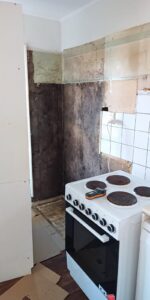

Before & After photos above of a mould remediation job completed by Pure Services Christchurch
Frequently Asked Questions (FAQ)
What are the most common types of mould found in New Zealand homes?
The most commonly encountered indoor moulds include Cladosporium, Penicillium, Aspergillus, Alternaria, Stachybotrys, Chaetomium, Acremonium and Ulocladium. Each thrives under different moisture conditions and may require different remediation approaches.
Is black mould always dangerous?
Not necessarily. Many mould species appear black in colour, and not all are Stachybotrys. Any significant mould growth should be investigated because all mould can affect indoor air quality and indicate an underlying moisture issue.
Can I remove mould myself?
Small areas of superficial mould on hard, non-porous surfaces may be cleaned safely if the moisture source has been addressed. Larger infestations, recurring mould or mould affecting porous materials are best handled by professional mould remediation services.
Why does mould keep coming back after I clean it?
Mould usually returns because the underlying moisture problem has not been resolved. Unless leaks, condensation or dampness are addressed, mould is likely to reappear.
How quickly can mould grow after water damage?
Under the right conditions, mould can begin growing within 24 to 48 hours after materials become wet. This is why rapid drying following floods or leaks is so important.
Are mould spores always present indoors?
Yes. Mould spores naturally exist both indoors and outdoors. Problems occur when excess moisture allows them to settle, multiply and colonise building materials.
How do professional mould remediation services differ from ordinary cleaning?
Professional remediation focuses on identifying moisture sources, containing contamination, safely removing affected materials where necessary, filtering airborne spores with HEPA equipment and restoring the affected area to help prevent recurrence.
Can mould damage my home?
Yes. Left untreated, mould can deteriorate plasterboard, timber, insulation, carpets, furnishings and other building materials. Early intervention helps reduce repair costs and limits the extent of damage.
