
Animal Urine on Floors and Carpets: 12 Practical Ways to Remove Pet Urine Stains and Odours for Good
If you share your home with a dog or cat, accidents are almost inevitable. Whether you’re toilet training a puppy, caring for an ageing pet, or dealing with an anxious cat, animal urine on carpets and hard flooring can quickly become one of the most frustrating household problems.
The issue isn’t simply the stain. Animal urine can soak deep into carpet fibres, underlay, timber joins, grout lines, and even concrete beneath flooring. If it isn’t treated properly, the lingering odour encourages pets to return to the same spot time and time again.
Fortunately, there are proven methods that can eliminate both stains and smells before they become permanent.
In this guide, we’ll explain exactly how to deal with animal urine on carpets and floors, when DIY solutions are suitable, and when it’s worth calling a professional carpet cleaning specialist.
Act Quickly Before Animal Urine Soaks In
The sooner you deal with fresh animal urine, the better your chances of completely removing it.
Urine begins penetrating carpet fibres almost immediately. Within minutes it starts soaking into the backing and underlay, making complete removal far more difficult.
For fresh accidents:
- Blot the area with clean white towels or paper towels.
- Apply firm pressure without rubbing.
- Continue blotting until little moisture remains.
- Avoid scrubbing, which spreads the contamination further into the carpet.
Quick action significantly reduces staining and odour.
Understand Why Animal Urine Smells So Bad
Fresh urine often has very little smell.
The unpleasant odour develops as bacteria begin breaking down the urine into ammonia and other compounds.
As time passes:
- Bacteria multiply
- Uric acid crystals form
- Moisture reactivates the smell
- Pets can still detect the scent long after humans think it’s gone
This explains why a carpet may appear clean but continues smelling unpleasant during humid weather.
Removing the odour requires breaking down these uric acid crystals rather than simply masking the smell.
Never Use Steam on Fresh Animal Urine
Many homeowners assume steam cleaning immediately is the answer.
Unfortunately, heat can actually make the problem worse.
High temperatures can permanently bond proteins found in animal urine to carpet fibres, making stains much harder to remove.
Instead:
- Remove as much liquid as possible first.
- Treat the urine chemically.
- Only deep clean once the contamination has been neutralised.
Professional cleaners follow this process because it delivers better long-term results.
Avoid Household Cleaners That Contain Ammonia
This is one of the biggest mistakes people make.
Many supermarket cleaning products contain ammonia.
Unfortunately, ammonia smells similar to urine from your pet’s perspective.
Instead of discouraging repeat accidents, these products can encourage your dog or cat to revisit exactly the same location.
Look for cleaners specifically designed to break down animal urine, rather than products that simply deodorise.
Enzyme Cleaners Are Usually the Best DIY Solution
Enzyme-based cleaners remain the gold standard for treating animal urine.
Unlike traditional cleaners, enzymes digest the proteins and uric acid crystals responsible for lingering smells.
For best results:
- Saturate the affected area completely.
- Follow the manufacturer’s instructions.
- Allow enough dwell time.
- Let the carpet dry naturally.
Patience is important.
Removing urine odours often takes several hours or even overnight.
Baking Soda Can Help Remove Remaining Odours
After the carpet has dried, baking soda can absorb residual smells.
Simply:
- Sprinkle generously over the area.
- Leave overnight.
- Vacuum thoroughly the following day.
Although baking soda won’t eliminate deep contamination, it can freshen carpets following enzyme treatment.
Avoid mixing baking soda directly with vinegar, as the chemical reaction reduces the effectiveness of both.
Vinegar Has Its Place—But Don’t Rely on It Alone
White vinegar is often recommended online.
It can help neutralise some odours because its acidity counteracts alkaline compounds found in urine.
However, vinegar has limitations.
It generally won’t remove:
- Deep uric acid crystals
- Heavy staining
- Long-established odours
- Contamination beneath the carpet
Think of vinegar as a temporary aid rather than a permanent solution.
Hard Floors Still Need Proper Cleaning
Many people assume animal urine only causes problems on carpet.
In reality, timber, laminate, vinyl and tiled floors can all absorb urine.
Timber is especially vulnerable because moisture enters joins and expands the wood.
If left untreated, urine may cause:
- Permanent staining
- Warping
- Lingering odours
- Damage beneath flooring
Always clean hard floors promptly using products designed for pet accidents.
Avoid allowing urine to dry naturally.
Older Animal Urine Stains Are More Difficult to Remove
Old urine stains require considerably more work than fresh accidents.
Over time:
- Uric acid hardens.
- Bacteria continue multiplying.
- Odours penetrate deeper.
- Carpet backing becomes contaminated.
Professional cleaners often use specialised flushing equipment that extracts contamination from beneath the carpet rather than only cleaning the surface.
This is why professional treatment often succeeds where DIY methods fail.
Stop Pets Returning to the Same Spot
Dogs and cats rely heavily on scent.
Even if you can no longer smell the urine, your pet probably can.
To prevent repeat accidents:
- Remove all odour completely.
- Restrict access until the area is dry.
- Reinforce positive toilet habits.
- Address behavioural or medical causes if accidents continue.
Complete odour removal is one of the most effective ways to break the cycle.
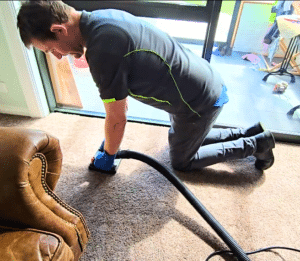
Know When It’s Time to Call a Professional
Some situations need more than household cleaning products.
Professional carpet cleaners should be considered if:
- The urine has soaked through the carpet.
- The smell keeps returning.
- Multiple accidents have occurred.
- Large areas are affected.
- The property is being prepared for sale or rent.
Professional equipment removes contamination far deeper than domestic carpet cleaners.
Many companies also use ultraviolet lighting to identify hidden animal urine that cannot be seen with the naked eye.
Prevent Future Animal Urine Problems
Prevention is always easier than removal.
Simple habits include:
- Regular toilet breaks for dogs
- Cleaning litter trays daily
- Monitoring elderly pets
- Managing anxiety in pets
- Using washable puppy pads during training
- Scheduling veterinary checks if accidents suddenly begin
Unexpected urination can sometimes indicate medical conditions rather than behavioural issues.
Why Animal Urine Needs Proper Treatment
Ignoring animal urine doesn’t simply leave an unpleasant smell.
Untreated urine can:
- Permanently stain carpet fibres
- Encourage repeat accidents
- Damage flooring materials
- Create persistent indoor odours
- Reduce indoor hygiene
- Lower the value and appearance of your home
The earlier the contamination is treated, the easier—and less expensive—it is to resolve.
Frequently Asked Questions
How do I remove animal urine from carpet naturally?
Blot as much liquid as possible before applying an enzyme cleaner. Baking soda can help absorb remaining odours once the area has dried. While vinegar is commonly suggested, it is generally less effective than enzyme-based products at breaking down uric acid crystals.
Does animal urine permanently damage carpet?
Not always. Fresh animal urine can often be removed successfully if treated quickly. Older stains or repeated accidents may permanently damage carpet fibres, underlay or even the flooring beneath.
Why does my carpet still smell after cleaning animal urine?
The odour usually remains because urine has soaked beneath the carpet or uric acid crystals haven’t been fully broken down. Surface cleaning alone rarely removes deep contamination.
Is animal urine harmful?
Animal urine itself is not usually dangerous when cleaned promptly, but bacteria can multiply if left untreated. Lingering moisture may also contribute to unpleasant indoor conditions and persistent odours.
Can professional carpet cleaning remove pet urine completely?
In many cases, yes. Professional carpet cleaners use specialised treatments and extraction equipment designed to remove urine from deep within carpets and underlay. The success depends on how long the urine has been present and the extent of the contamination.
Should I steam clean animal urine?
Not immediately. Applying heat before the urine has been properly treated can set stains and make odours more difficult to remove. It’s better to neutralise the urine first before carrying out any deep cleaning.
Will pets continue urinating in the same place?
They often will if they can still detect the scent. Complete odour removal is essential to discourage repeat accidents, even if humans can no longer smell the affected area.
Final Thoughts
Dealing with animal urine is never pleasant, but acting quickly and using the right cleaning methods can make all the difference. Fresh accidents are usually far easier to treat than old, established stains, so prompt action is key.
While enzyme cleaners are often the most effective DIY option, persistent odours, repeated accidents and deep contamination may require professional treatment to completely eliminate the problem. By removing both the stain and the scent, you’ll not only restore your carpets and flooring but also reduce the likelihood of your pet returning to the same spot in the future.
With the right approach, your home can remain fresh, hygienic and welcoming—even with four-legged family members.
